OpenAI Joins Chip Makers in Hedging Against Nvidia's Dominance
OpenAI launches Jalapeño, a custom inference chip built with Broadcom, as Google, Apple and others diversify away from Nvidia’s AI chip dominance.

Key Takeaways
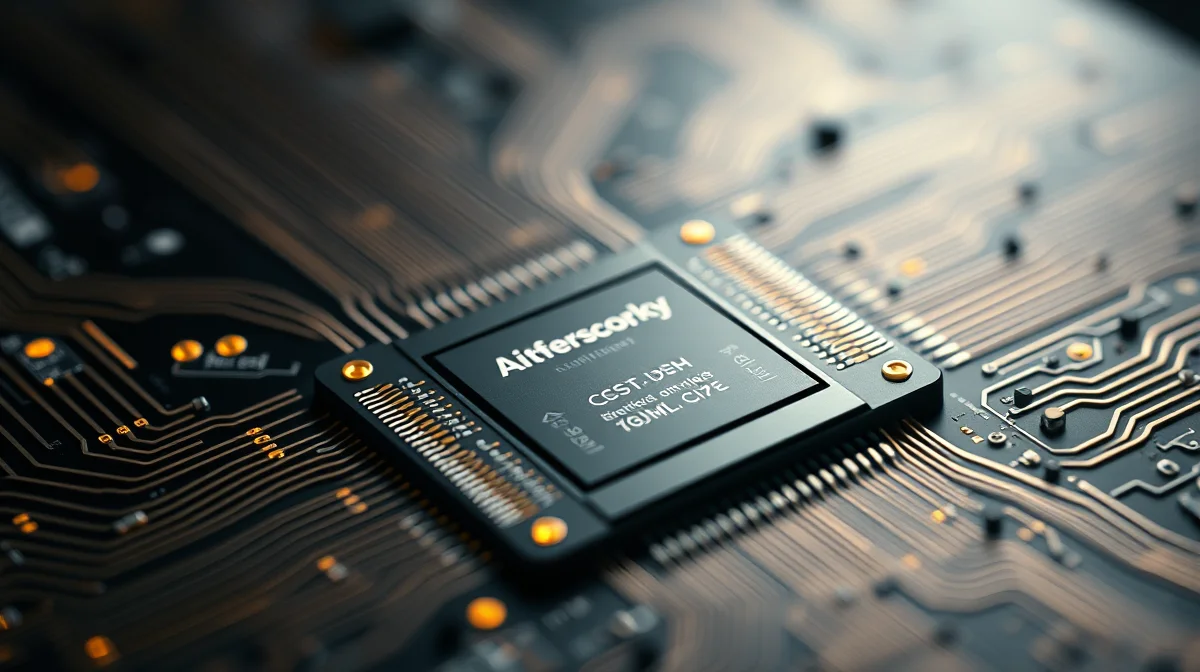
The article announces OpenAI’s custom inference chip, Jalapeño, built with Broadcom, joining a wave of companies like Google, Apple and SpaceX that are designing their own silicon to reduce reliance on Nvidia’s AI chips.
Custom silicon offers tighter control, hardware tuned to specific workloads and performance gains reminiscent of Apple’s shift from Intel. The strategy is presented as a hedge rather than a full break from Nvidia.
On the Equity podcast, hosts Kirsten Korosec, Anthony Ha and Sean O’Kane discuss the trend’s implications and highlight key deals.
The move signals growing confidence that proprietary chips can deliver efficiency and competitive advantage, while keeping Nvidia as a possible partner. Analysts note that widespread adoption may pressure Nvidia to accelerate innovation, create opportunities for startups, and potentially fragment software stacks, but could also spur standardization.
Industry analysts predict that as more firms adopt custom chips, the economics of AI training and inference could shift, lowering entry barriers for niche applications and prompting cloud providers to adapt their hardware offerings.
Potential Impact Areas
- Faster, more energy‑efficient AI services for users.
- Businesses gain pricing leverage and reduced vendor dependency.
- Startups can negotiate better cloud terms and access specialized hardware.
- Developers may need to adapt software but can achieve lower latency and cost.
Our Insight
Adopting custom inference chips reflects a maturing AI hardware market where performance tailoring becomes a competitive edge.
Companies can achieve cost savings and bespoke optimizations, but they also face integration challenges and potential fragmentation of software stacks.
The shift may pressure Nvidia to innovate faster, while cloud providers must support heterogeneous hardware.
For startups, the opportunity to access specialized chips could lower barriers to advanced AI features, yet they must invest in expertise to port models.
Standardization efforts will be crucial to avoid ecosystem silos. Overall, the trend promises greater control and efficiency, but success depends on collaboration between chipmakers, software developers and industry partners.
External Credit
Original source: techcrunch.com
Full credit goes to the original publisher. We link to this content for informational and commentary purposes only.